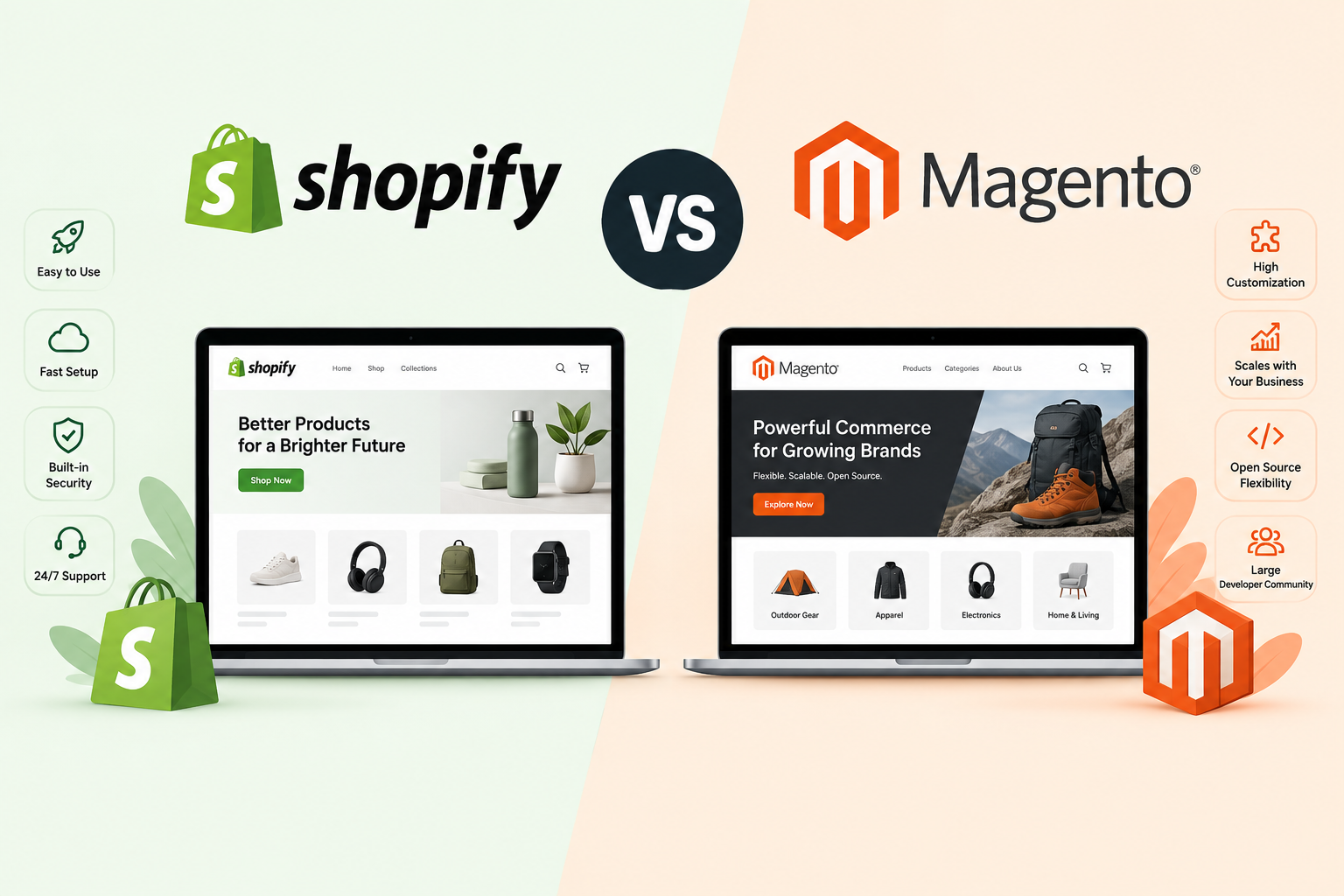
When ecommerce brands start considering a platform migration, one of the biggest concerns is not just cost or timelines. It is internal bandwidth.
How much of my team's time will this eat up?” is usually the first question we get. The honest answer: less than most people expect. Our Shopify migration services are built to carry the technical load so your internal team only weighs in where their business context actually matters.
Most fast-growing and enterprise ecommerce teams are already balancing inventory, campaigns, fulfillment, customer support, operations, and ongoing growth initiatives. The thought of migrating platforms while also maintaining day-to-day business operations can feel overwhelming.
A poorly planned migration can drain internal resources, slow down decision-making, and impact sales if operational continuity is not handled properly.
But after working with hundreds of ecommerce brands migrating to Shopify and Shopify Plus from platforms like Magento, WooCommerce, BigCommerce, and custom stacks, here’s the truth: your internal team does not need to carry the migration on its shoulders.
The right Shopify migration partner should handle the heavy lifting while involving your team only where their business context and operational knowledge are truly necessary.
In this guide, we’ll break down exactly where your internal team should collaborate during migration, what expert migration teams typically handle for you, and how to estimate the actual effort involved before the project even begins.
What Aspects Does Your Internal Team Need to Collaborate On?
A successful ecommerce migration is a collaborative process, but that does not mean your internal teams need to manage every technical detail.
The most effective migrations happen when internal stakeholders contribute strategic business knowledge while migration experts handle execution, infrastructure, and technical workflows.
Here are some areas where we strongly recommend active collaboration from internal teams:
1. Validating Business-Critical Workflows
One of the most valuable things internal teams bring to migration projects is operational context.
Enterprise ecommerce businesses often have highly specific workflows tied to:
-
Fulfillment logic
-
Customer segmentation
-
Regional operations
-
Wholesale pricing
-
Subscription flows
-
Internal reporting structures
-
Customer support processes
Many of these workflows are not always fully documented, especially in businesses that have scaled rapidly over time. While migration experts handle system mapping and implementation, internal teams help identify:
-
Which workflows are business-critical
-
Which operational exceptions matter most
-
Which customer journeys must remain uninterrupted
-
Which processes should be improved during migration
2. Prioritizing What Actually Needs to Be Migrated
Not every workflow, customization, app, or integration from the old platform necessarily deserves to move into the new one. Over time, ecommerce businesses often accumulate:
-
Legacy automations
-
Redundant apps
-
Temporary workarounds
-
Outdated customer segments
-
Inefficient operational processes
Internal leadership plays an important role in helping migration teams understand:
-
Which systems still provide value
-
Which workflows are outdated
-
Which operational inefficiencies should be eliminated
This allows migration to become an opportunity for operational simplification instead of simply recreating old complexity on a new platform.
3. Aligning Internal Rollout and Communication
One of the most underestimated parts of enterprise ecommerce migration is internal alignment.
Even when technical execution is flawless, confusion across internal teams can create operational friction after launch. Internal stakeholders should help coordinate:
-
Customer support readiness
-
Marketing calendar alignment
-
Internal process training
-
Fulfillment communication
-
Reporting transitions
-
Stakeholder approvals
Migration experts manage the technical transition, but internal alignment helps ensure the organization itself is prepared for operational changes post-launch.
What Your Team Does NOT Need to Worry About When Working With Migration Experts
Enterprise migrations are complex, but your internal teams should not be expected to manage technical execution while also running the business. Here are some of the most important areas migration experts typically handle for you:
1. Complex Data Mapping and Relationship Integrity
Enterprise ecommerce systems involve deeply connected datasets:
-
Customers linked to orders
-
Orders tied to fulfillment systems
-
Product variants connected to inventory logic
-
Regional pricing connected to storefronts
-
Loyalty and subscription relationships
Experienced migration teams manage:
-
Data architecture planning
-
Field mapping
-
Relationship preservation
-
Data validation workflows
-
Large-scale import structures
This is especially important for businesses migrating tens of thousands of SKUs or years of historical customer data.
2. ERP, CRM, and Third-Party Integration Management
Enterprise brands often rely on highly interconnected operational systems. A strong migration team ensures these systems continue functioning together without operational disruption. Migration experts handle:
-
ERP synchronization
-
CRM migration workflows
-
OMS integration mapping
-
Middleware configuration
-
Payment gateway setup
-
Shipping and tax integrations
-
Automation workflows
3. SEO Preservation and Search Visibility Protection
One of the biggest enterprise migration risks is losing organic traffic. Without this layer of migration planning, brands can lose years of accumulated search authority. Experienced migration teams manage:
-
URL redirect mapping
-
Metadata preservation
-
Structured data continuity
-
Sitemap management
-
Crawl validation
-
Indexing control
-
Post-launch SEO monitoring
4. Edge-Case Testing and Operational QA
Enterprise ecommerce workflows are rarely simple. Experienced migration teams test:
-
International checkout flows
-
Subscription renewals
-
Discount stacking
-
Multi-currency orders
-
Split fulfillment workflows
-
Wholesale pricing logic
-
Refund scenarios
-
Inventory synchronization
This level of testing often goes far beyond what internal teams have bandwidth to manage themselves.
5. Infrastructure Stability During High-Traffic Events
Enterprise brands cannot afford instability during launches, campaigns, or seasonal sales. Migration experts plan the following to minimize operational risk during critical business periods:
-
Traffic readiness
-
Performance optimization
-
Load testing
-
Rollout sequencing
-
Soft launch strategies
-
Post-launch monitoring
Pro Tips to Follow Before Migration Begins
One of the smartest things ecommerce brands can do is evaluate migration readiness before the project officially starts. Here are some practical ways to estimate the level of effort required internally:
1. Conduct a Full Ecommerce Ecosystem Audit
Get a realistic understanding of migration scope, timelines, and internal involvement before execution begins. A migration audit helps identify:
-
Existing integrations
-
Custom workflows
-
Operational dependencies
-
SEO complexity
-
Data quality issues
-
Platform limitations
2. Identify Seasonal Business Constraints Early
Migration timing matters. This helps schedule migration during periods with lower operational risk. Brands should evaluate:
-
Peak sales periods
-
Product launches
-
Campaign calendars
-
International expansion timelines
-
Inventory cycles
3. Document Existing Operational Workflows
Many fast-growing brands rely on undocumented internal processes. The clearer these workflows are, the smoother migration planning becomes. Before migration begins, teams should document:
-
Order management flows
-
Fulfillment exceptions
-
Customer support workflows
-
Reporting dependencies
-
Inventory processes
4. Evaluate Internal Approval Dependencies
Understanding internal review structures early helps avoid timeline bottlenecks later. Enterprise migrations often slow down due to delayed approvals across:
-
Marketing
-
Operations
-
Finance
-
Legal
-
IT leadership
Conclusion
Ecommerce migration does require internal collaboration, but your team should not feel like it has to carry the project alone.
The right migration partner helps reduce operational burden, manage technical complexity, and protect business continuity while your internal teams continue focusing on growth and day-to-day operations.
At XgenTech, we help ecommerce brands migrate to Shopify and Shopify Plus with structured planning, operational alignment, SEO preservation, and enterprise-grade migration workflows.
If you’re evaluating a migration and want a realistic understanding of the time, effort, and internal involvement required, our team can help assess your migration readiness and guide the process end to end.