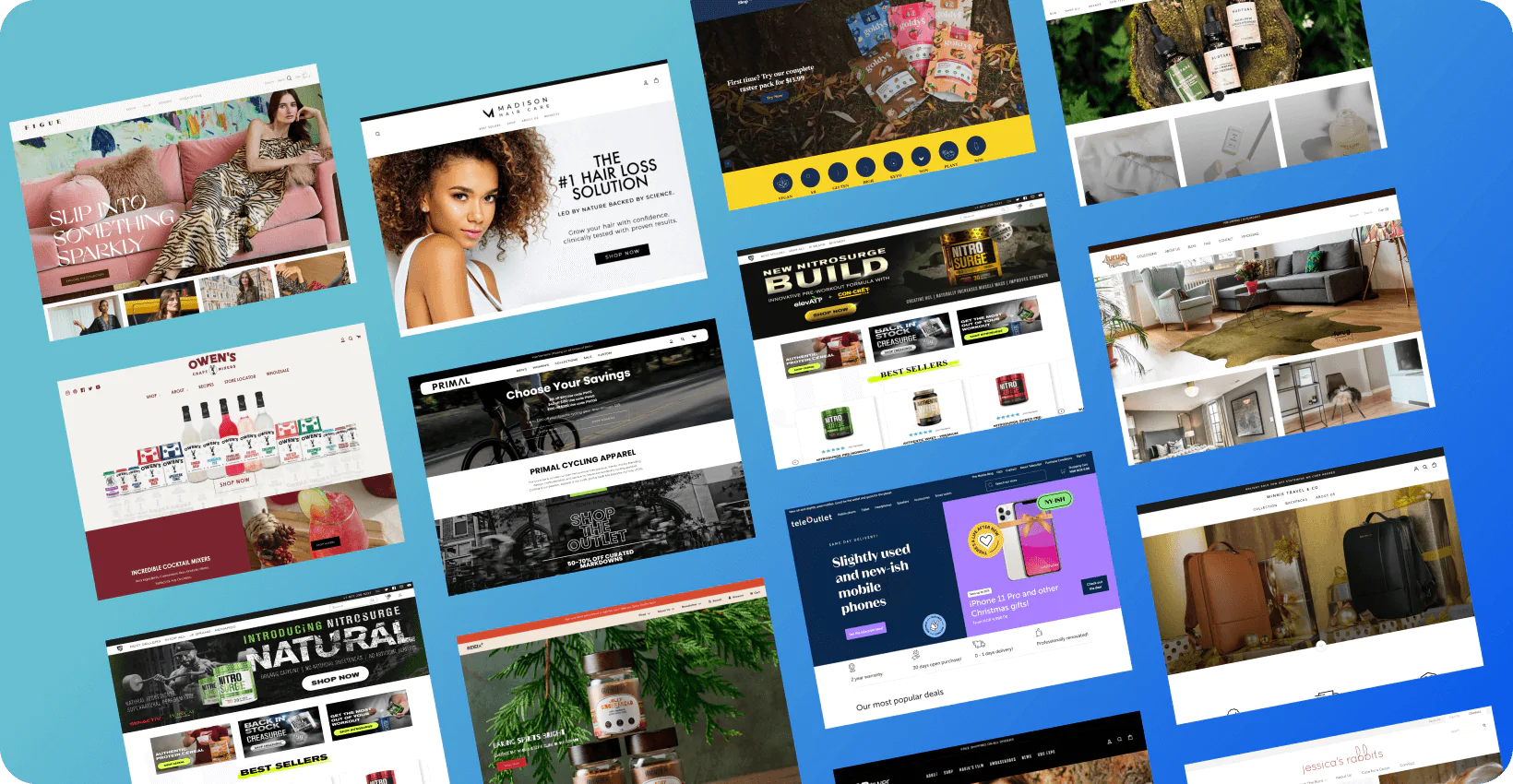
Shopify conversion rate optimization (CRO) is the practice of increasing the share of store sessions that end in an order, by removing friction from your product pages, cart, checkout, speed, and mobile experience rather than buying more traffic. Shopify doesn’t publish a platform-wide average (third-party benchmarks put typical stores around 1.4%, with mobile below desktop), so the best target is your own funnel: add-to-cart, reached-checkout, and completed-checkout rates tracked separately.
In the ever-evolving landscape of e-commerce, optimizing conversion rates is paramount for the success of any Shopify store. With competition fiercer than ever, implementing effective strategies to convert visitors into customers is essential.
In this guide, we’ll explore 10 proven strategies for increasing your Shopify conversion rate, from checkout and speed to AI-assisted testing. If you’d rather have specialists research, test, and ship them for you, see our Shopify CRO agency services.
If you’d like a team to implement them, see our Shopify web design and development services, and for modern test methods read Shopify Rollouts vs SimGym vs Intelligems and Shoplift.
Strategies to Optimize Conversion Rates in Shopify Development
1. Responsive Design:
Ensuring your Shopify store is responsive across all devices is fundamental to optimizing conversion rates. With mobile commerce on the rise, a seamless and intuitive mobile shopping experience is crucial for engaging users and driving conversions.
2. Page Load Speed Optimization:
Studies have shown that even a one-second delay in page load speed can significantly impact conversion rates. By optimizing page load speed through techniques such as image optimization, minification of CSS and JavaScript, and leveraging content delivery networks (CDNs), you can create a fast and frictionless shopping experience for users.
3. Clear Call-to-Action (CTA):
Effective CTAs guide users through the conversion funnel by clearly indicating the desired action. Whether it's "Add to Cart," "Buy Now," or "Subscribe," strategically placing CTAs throughout your Shopify store can help increase conversions and drive sales.
4. Streamlined Checkout Process:
Simplifying the checkout process is crucial for reducing cart abandonment rates and improving conversion rates. Implementing features such as guest checkout, autofill options, and progress indicators can help streamline the checkout process and enhance the overall user experience.
5. Personalized Product Recommendations:
Leveraging data-driven insights to deliver personalized product recommendations can significantly impact conversion rates. By analyzing user behavior and purchase history, you can curate tailored product recommendations that resonate with individual users, increasing the likelihood of conversion.
6. Social Proof and User Reviews:
Incorporating social proof elements such as user reviews, ratings, and testimonials can instill trust and credibility in your Shopify store. Positive reviews and endorsements from satisfied customers can help alleviate doubts and persuade potential buyers to make a purchase.
7. Implementing Live Chat Support:
Offering real-time support through live chat can enhance the customer experience and address any questions or concerns users may have during their shopping journey. By providing immediate assistance, you can improve customer satisfaction and increase conversion rates.
8. A/B Testing and Conversion Rate Optimization (CRO):
Continuous experimentation through A/B testing allows you to identify and implement optimizations that maximize conversion rates. By testing different variations of design elements, copywriting, and CTAs( Call To Actions), you can refine your Shopify store for optimal performance.
9. Upselling and Cross-Selling Opportunities:
Capitalizing on upselling and cross-selling opportunities can increase the average order value and boost revenue. By recommending complementary products or offering exclusive discounts on related items, you can encourage customers to explore additional offerings and make additional purchases.
10. Analyzing and Iterating:
Monitoring key performance indicators (KPIs) such as conversion rate, bounce rate, and average order value is essential for evaluating the effectiveness of your optimization efforts. By analyzing data insights and identifying areas for improvement, you can iterate and refine your Shopify store to continuously optimize conversion rates.
The Key to Optimizing Conversion Rates in Shopify Development
In conclusion, optimizing conversion rates is a multifaceted endeavor that requires a strategic approach and ongoing experimentation. By implementing the ten strategies outlined in this guide, you can enhance the user experience, drive engagement, and ultimately increase conversions in your Shopify development journey.
Ready to turn more Shopify visitors into customers? Partner with XgenTech to implement data-driven Shopify CRO strategies that increase conversions, revenue, and long-term ecommerce growth.