A quick guide to understanding and getting started with live commerce for Shopify stores.
E-commerce is a booming industry, and it's one that will continue to grow as new internet users become increasingly connected to the internet. What’s also interesting is that eCommerce is not only growing, but also constantly evolving by the day.
From new shopping cart plugins and payment gateways to inventory management systems, to how consumers interact with their businesses via social media and reviews, we can see the E-Commerce market changing at an incredibly rapid rate.
Today, there are countless ways to segment your audience, make sure you are running an effective ad campaign, and ultimately market your products to your customers.
The latest trend in eCommerce is live commerce.
As a consumer, being able to find and purchase something quickly is an advantage. Because of this, companies want to market their products using the latest technology such as live commerce. However, that doesn't mean that everyone understands exactly how it works and how it can be used.
In this blog, let's take a closer look at what live commerce is all about, what are its uses and its benefits, and how you could use it wisely to cater to your business needs.
What is live commerce?
Live commerce is essentially live video content where viewers can ask questions, share opinions and interact with the brand in real-time. Live commerce has evolved from an experimental format — first popularized in China around 2016 — into a mainstream global sales channel. By 2026, live commerce is projected to account for 10–20% of all eCommerce transactions worldwide (McKinsey).
Live commerce allows businesses to engage with their customers on a deeper level than they have been able to before. It also allows consumers to connect directly with brands, instead of just being passive viewers. It’s a new way for brands to interact with their customers, and it’s one that can be a big boost to sales if done right.
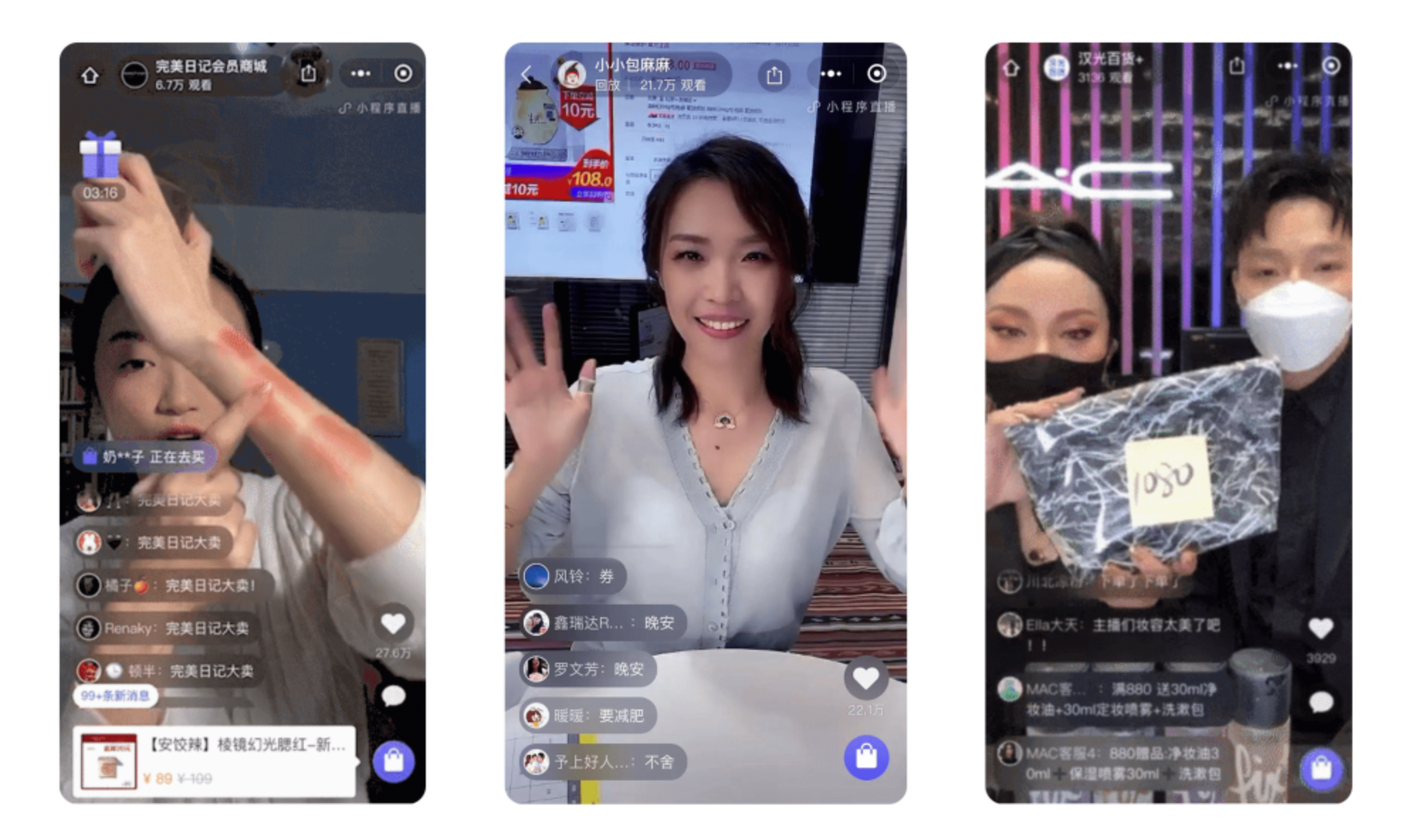
If you're looking for a way to reach your customers in a more interactive and personal way, live commerce is the answer.
Live commerce model statistics you need to know

Live commerce statistics every Shopify merchant should know (2026)
The live commerce landscape has matured dramatically. Here are the numbers that matter for eCommerce brands evaluating this channel:
- The global live commerce market is projected to grow from $25.63 billion in 2025 to $31.79 billion in 2026**, representing a 24% year-over-year growth rate (The Business Research Company, 2026).
- Live shopping conversion rates range from 9% to 30%, compared to typical eCommerce conversion rates of 2–3%. Well-executed live events see add-to-cart rates of approximately 34% (Marketing LTB, 2025).
- In the US, livestream shopping sales reached approximately $50 billion, and are projected to grow by 36% through 2026**, accounting for more than 5% of total digital commerce (Statista, 2025).
- Asia-Pacific dominates with 66% and global market share. China's live commerce market reached nearly 5 trillion yuan (~$682 billion) in 2023, with platforms like Taobao Live, Douyin, and Kuaishou leading the space.
- Fashion and apparel remains the #1 live commerce category with approximately 21–27% of total live commerce revenue. Beauty and personal care is the fastest-growing vertical.
- Live shoppers return items approximately 40% less often than traditional online shoppers, largely because they see real-time proliduct demonstrations and can ask questions before buying.
- TikTok Shop drove over $100 million in US sales on Black Friday 2024 alone, running more than 30,000 livestream sessions — tripling year-over-year volume.
Understanding micro-interactions is key to driving live commerce conversions. Read our guide to Shopify microconversions for more.
Benefits of leveraging Live Commerce
1. Interactive - increased engagement
Live commerce is all about increased engagement. You can do this by keeping your customer involved throughout their purchase and throughout the purchase process. This means that you need to be able to answer questions quickly, provide feedback and make changes to your website as needed.
It allows consumers to get involved right from the start by engaging with businesses through live chat or social media.
To learn more about how design impacts conversions, read our guide on how Shopify store design increases conversion rates.
2. Build trust
With live commerce, you can build trust with your customers before they even get to see your product or service. You’re able to build lasting relationships through video or audio calls which are natural ways for people to interact and communicate with each other. This means that the customer gets a better understanding of what your business offers before they ever make a purchase decision.
Building trust is a critical part of the conversion funnel. Explore our 20+ conversion rate optimization strategies for Shopify to complement your live commerce efforts.
3. Convenient
The convenience of live commerce is hard to overstate. In the past, shopping online meant having to choose a time when you could be home and have access to a computer, but with live commerce, you can shop anytime, anywhere. This means that you don't have to worry about being stuck on the train or in the middle of a meal.
4. Cost-effective marketing
Live commerce offers a cost-effective way to market your products or services, as it does not require the same amount of investment as other channels.
You can use live commerce to run events for your business or reach out directly to customers via Facebook Live or Instagram Stories with minimal equipment, manpower, etc. Yet, these promotions are highly effective because they also allow you to connect with people who may not have heard about your company yet - something that traditional marketing techniques cannot achieve.
Effective marketing goes beyond live streams. Check out our Shopify homepage design best practices to make sure your store converts the traffic your live events generate.
5. Personalized experience
The beauty of live commerce is that it allows brands to reinvent the customer experience and make it personal. By offering consumers live, on-demand interactions, live commerce enables brands to make every interaction with them more meaningful and relevant. Since the interaction is real-time, you can ask questions, receive answers and interact with people in real-time.
Want to go deeper on personalization? See our guide on how to personalize the shopping experience on your Shopify store.
How to get started with live commerce
The first thing to understand is that live commerce is not a technology. It's a business model and a way of thinking about the entire experience of buying and selling. That means you need to build your plan around this framework.
Here are a few ways you can jump on the wagon of live commerce -
1. Dedicated live shopping platforms and apps
Live Commerce is not just a new way to shop, it's also a new way to communicate with your customers.
In order to make the most of this communication and commerce opportunity, there are a couple of dedicated platforms designed specifically for this eCommerce business model. Such platforms can help you handle all your customers' needs in one place in the most streamlined way possible.
Here are the top live commerce platforms and Shopify apps for 2026:
Shopify-native live shopping apps:
* Channelize.io — Unlimited live shows, shoppable video replays, multistream to socials
* LiveMeUp — Premium live video selling with SMS/Klaviyo marketing built in
* Livescale — Interactive live shopping with engagement tools and analytics
* SoldLive — Sell live on Facebook and Instagram with Shopify checkout integration
* TalkShopLive — Video commerce with a built-in point-of-sale in the player
Major platforms with Shopify integration:
* TikTok Shop — The fastest-growing live selling platform in the US, with native Shopify sync
* Amazon Live — Reach Amazon's massive buyer audience with live product demos
* YouTube Shopping — Shoppable livestreams with product tagging during broadcasts
* Instagram Live Shopping — Tag products during Instagram Live sessions
Enterprise platforms:
* Bambuser — Used by Samsung, Clarins, Hugo Boss. White-label video player with global scale
* Firework — Shoppable video and live commerce platform trusted by major retailers
* CommentSold — Built for live sellers with branded mobile app creation
2. Social media platforms
The most obvious way to use Live Commerce is through social media platforms like Facebook, Instagram, and Twitter. These are great ways to engage with your customers and get their feedback on product features or pricing plans. You can also use live chat to get instant responses from customers who have questions or concerns about your products or services.
If you're using Instagram as a sales channel, don't miss our post on how to display your Instagram feed on your Shopify store.
Live commerce trends Shopify Stores should leverage in 2026
Live commerce is no longer experimental - it's a proven revenue channel. Here are the strategies driving results for Shopify merchants right now:
1. Live Q&A sessions and product demonstrations
Live Q&A sessions remain one of the most effective live commerce formats. They work especially well for Shopify stores selling products that benefit from explanation —supplements, skincare, technical gear, or premium fashion.
During a live Q&A, hosts can demonstrate products in real time, answer viewer questions via chat, and offer time-limited discounts to drive immediate purchases. Shopify apps like Channelize.io and LiveMeUp let you run these sessions directly on your storefront with built-in checkout, so viewers never leave your site.
For high-ticket items, live Q&A sessions build the trust needed to convert. Viewers who engage in live sessions are significantly more likely to purchase because they've had their specific concerns addressed in real time.
2. Creator-led live selling and influencer partnerships
The intersection of influencer marketing and live commerce is where the biggest ROI exists in 2026. TikTok Shop has demonstrated this at scale — creators with engaged followings can drive massive live sales events.
For Shopify merchants, the strategy is straightforward: partner with creators or micro-influencers in your niche to co-host live shopping events. They bring the audience; you provide the products and checkout infrastructure.
Platforms like TikTok Live, Instagram Live, and YouTube Shopping make it easy to simulcast your live events across channels while Shopify apps like SoldLive and Livescale handle the commerce side — syncing inventory, managing checkout, and tracking attribution.
The key is authenticity. Data shows that hosts who seem genuine perform significantly better in live commerce. Choose creators who actually use and believe in your products rather than those with the largest following.
Here's an example from CAIA Cosmetics:

3. AI-powered personalization and shoppable video
The biggest shift in live commerce for 2026 is the integration of AI and shoppable video. Rather than requiring shoppers to tune in at a specific time, Shopify stores can now turn any video content into a 24/7 sales channel.
Apps like Firework and Smartzer let you make product videos, UGC content, and even livestream replays fully shoppable — viewers can click on products within the video and add them to cart without leaving the experience.
AI is also enhancing live commerce through real-time product recommendations during streams, automated highlight clips from long livestreams, and personalized post-stream follow-ups via email and SMS.
For Shopify merchants, this means your live commerce strategy doesn't end when the stream does. Every live session becomes evergreen shoppable content that continues converting long after you go offline.
4. TikTok Shop and social commerce integration
TikTok Shop has emerged as the fastest-growing live commerce platform in Western markets. After its broader US rollout, TikTok drove $100 million in Black Friday 2024 sales alone.
For Shopify store owners, TikTok Shop offers a direct integration that syncs your product catalog and inventory. You can run live selling events on TikTok while fulfilling orders through your existing Shopify backend.
The key advantage is reach: over 70% of TikTok users have discovered a new product or brand through the platform. Combined with the live commerce format, this creates a powerful acquisition channel that traditional marketing can't match.
Do you want to explore the live commerce model for your brand?
Live commerce has the potential to be an exciting new way for brands to interact with consumers, particularly those who may be reluctant to make purchases online.
This new category of eCommerce is all about combining the power of live video streaming with the reach and flexibility of the internet. It’s a new way for brands to reach consumers directly and engage them in a meaningful way in real-time.
If you have been considering exploring and leveraging live commerce, you can contact the experts at XgenTech.
Our team of Shopify experts works with Shopify merchants like you to design a store that reflects your brand's personality and caters to the functionalities you require. Whether you want to revamp your existing design or build a new one from scratch, we will help you create a positive shopping experience on your Shopify store design.
Already running a Shopify store and want continuous optimization? Learn about our Shopify retainer services or explore the benefits of Shopify Plus for scaling brands.
Contact us at info@xgentech.net and we’ll help you set up your Shopify store design!